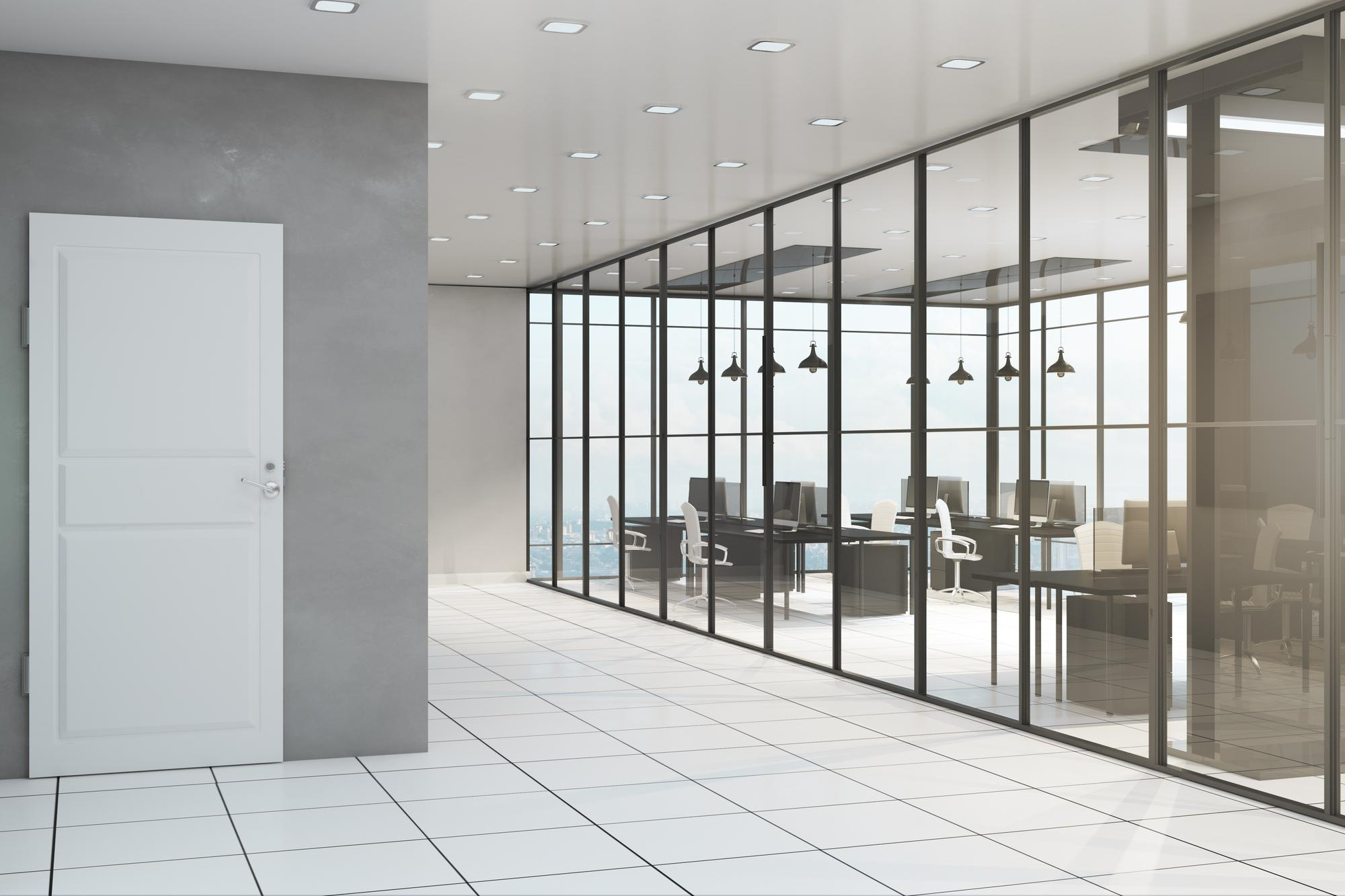
Ever scroll through Pinterest and stop at a photo of a stunning, minimalist room, wondering what makes it feel so sleek and uncluttered? The secret is often hidden in plain sight. It’s the art of making door frames, window casings, and baseboards disappear, a style officially known as “frameless” or “trimless” design.
This isn’t just about removing old trim; it’s a sophisticated system for creating perfectly clean edges where surfaces meet. By eliminating the visual interruption of molding, these modern walls allow spaces to feel larger and more unified, a technique central to high-end minimalist design. The effect transforms a simple wall from a backdrop into a seamless architectural feature.
Achieving this flawless look requires a surprising level of skill—and a specific budget. This guide breaks down the magic behind frameless walls, from the aesthetic benefits to the technical details, revealing the secret behind the cleanest, most sophisticated rooms on your feed.
Why Ditching Trim Makes Your Space Feel Larger and Cleaner
The stunning effect of a frameless room isn’t just about a modern look; it’s rooted in a powerful design principle called visual continuity. By removing the traditional “visual stop signs” of trim and molding, your eye travels smoothly across surfaces, fundamentally changing how a space feels. This approach is one of the best alternatives to traditional walls for anyone seeking an uncluttered aesthetic.
By clearing away the visual noise, you unlock three distinct advantages:
- Uninterrupted Sightlines. Your gaze flows from wall to floor to doorway without interruption. This simple trick makes the brain perceive the room as larger and more expansive, a core principle behind many successful minimalist room divider ideas.
- No More Dust Ledges. Practically speaking, eliminating baseboards and chunky door casings means getting rid of horizontal surfaces where dust and grime love to collect, instantly simplifying your cleaning routine.
- A Brighter, More Open Feel. Smooth, unbroken walls act like a clean canvas. This helps to increase natural light as it reflects more evenly across the room, making the entire space feel brighter and more airy.
But if you get rid of the trim that normally hides the edges of the drywall, what keeps everything looking so clean and sharp?
What Replaces the Wood Trim? The Secret Behind the Seamless Edge
So, if there’s no wood trim to hide the gap between the wall and the door, what stops it from looking unfinished? The solution is surprisingly elegant. Instead of covering the raw drywall edge, a reveal bead is installed first. This is a small metal or vinyl channel that creates a perfect, crisp slot for the drywall to tuck into, forming a durable and impossibly clean edge. It’s a hidden workhorse that makes the entire look possible.
This clever component is designed to produce what architects call a shadow line or “reveal”—the narrow, intentional gap you see between the wall and the door frame or floor. As the close-up image shows, this small recess creates a dark, crisp shadow that cleanly separates the two surfaces. The effect delivers a high-end, architectural feel, and the uninterrupted sightlines share some of the same visual tempered glass wall benefits, making a space feel more open and cohesive.
Crucially, this seamless look isn’t something you can easily add to an existing room. Achieving beautiful frameless walls requires a planned system where everything is precisely aligned from the start. The level of accuracy required is comparable to a flawless floor to ceiling glass panel installation—it demands skilled labor and must be integrated before the drywall is even hung. It’s this upfront planning that delivers the stunning, high-end result.
Beyond Doors: 3 Places to Use Frameless Design for a High-End Look
While a frameless door makes an immediate statement, applying this clean-edge philosophy throughout a home is what truly creates a cohesive, minimalist feel. The same reveal bead technique can be used in some surprising places, turning functional elements into seamless architectural features.
One of the most impactful applications is the floating baseboard. Instead of a traditional wood baseboard sitting on top of the flooring, the wall itself stops just short of the floor, creating a recessed shadow line at the bottom. This subtle detail gives the illusion that the wall is hovering, a key feature of ultra-modern walls that also has a practical benefit: there’s no ledge to collect dust.
The same principle transforms windows. A trimless window return eliminates the bulky wood casing, allowing the drywall to run directly to the window’s frame. This turns the window into a simple, clean opening, almost like a piece of art hung on the wall. The view outside becomes the undisputed focal point, maximizing light and making the space feel more connected to the outdoors.
For those committed to ultimate minimalism, the frameless approach can extend to the smallest details, such as air vents, outlets, and light switches that sit perfectly flush with the wall. This pursuit of uninterrupted surfaces is what often leads designers to explore frameless glass partitions.
What About Glass? Using Frameless Partitions to Divide a Space Without Sacrificing Light
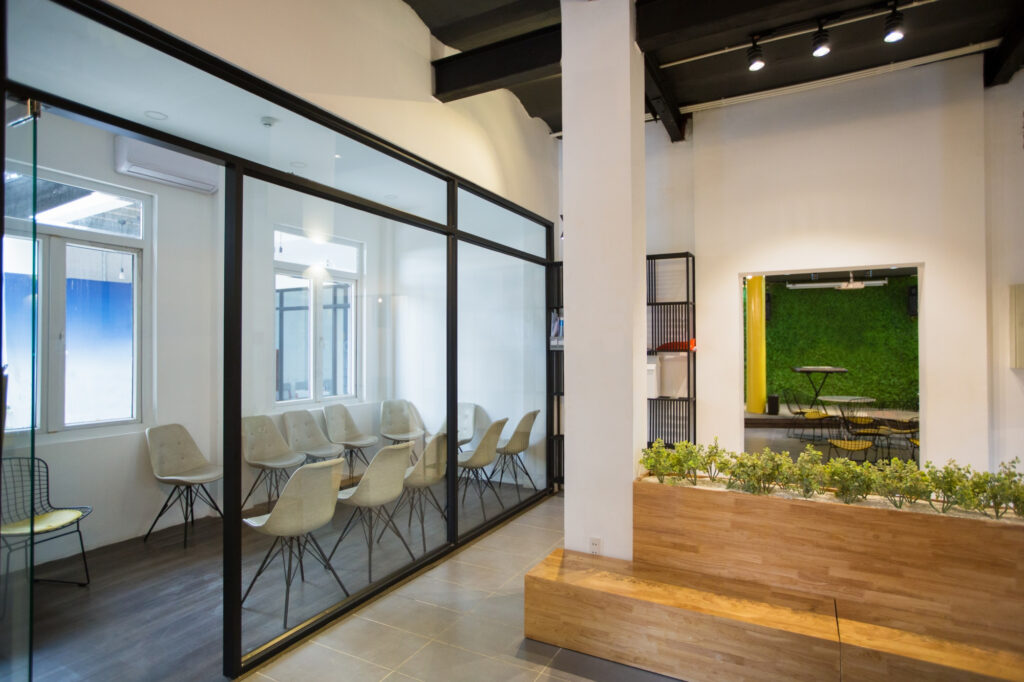
The pursuit of clean lines often leads to a common question: what happens when you need a new room but don’t want to build a solid, view-blocking wall? This is where frameless design takes a different form. Instead of hiding transitions with drywall, frameless glass partition walls use massive panes of glass to create separation you can see right through. It’s the perfect solution for maintaining an open concept feel while carving out functional, dedicated spaces.
Unlike a standard window, these interior glass partition systems often run from floor to ceiling, held in place by minimal, almost invisible channels. Made from thick, tempered safety glass, they define a room’s boundary while letting light pour through unobstructed. You get the visual connection of one large space with the practical benefit of acoustic separation—a quiet zone for work or relaxation without feeling boxed in. For ultimate flexibility, many setups incorporate sliding glass wall systems that can open up the space entirely.
Imagine turning a corner of your living room into a quiet home office. With one of these glass partitions, you can take a call in peace without sacrificing the natural light from the main room’s windows. This sophisticated approach divides function, not light or volume. But achieving this seamless integration, whether with glass or a hidden drywall door, hinges on one critical, non-negotiable element: the perfection of the surfaces around it.

The Big Catch: Why a Perfect Frameless Wall Requires a Master-Level Finish
That call for surface perfection is where the biggest secret of this minimalist style lies. Standard trim, like baseboards and door casings, isn’t just for decoration; it’s a clever trick builders use to hide the inevitable gaps, cracks, and uneven edges where drywall meets another surface. When you decide to create a frameless wall, you’re removing that forgiving frame. Suddenly, the wall itself has nowhere to hide, and every tiny bump, wave, or imperfection is put on full display under a harsh spotlight.
This is why a flawless look demands something called a “Level 5 finish,” the absolute highest grade in drywall work. Unlike a standard wall that is only smoothed out at the joints, a Level 5 finish involves applying a skim coat of compound over the entire surface. It’s then meticulously sanded and primed to create a perfectly flat, uniform plane that feels as smooth as glass. Think of it this way: trim is a bulky picture frame that can hide a slightly crooked edge, but without it, the artwork—your wall—must be absolutely flawless.
Achieving this buttery-smooth surface is a true art form, making it a job for highly specialized drywall finishers, not a weekend DIY project. While modular systems like demountable partition walls are designed for clean installation, building a permanent, trimless wall is a far more demanding craft. This level of obsessive detail and craftsmanship is what separates a good result from a breathtaking one, and as you might guess, it has a significant impact on your budget.
How Much More Does the ‘No-Trim’ Look Really Cost?
Let’s get straight to the point: achieving this clean, architectural look is a significant investment. As a general rule, you can expect the cost for a fully trimless wall and door installation to be two to three times more expensive than a standard, trimmed-out equivalent. This isn’t a small upgrade; it’s a fundamental shift in the construction process that demands an entirely different level of precision from start to finish.
Surprisingly, the biggest part of that extra cost doesn’t come from the materials themselves. The primary driver is the intensive, highly skilled labor required for that flawless Level 5 finish. You aren’t just paying for drywall and compound; you’re paying for an artisan’s time to meticulously sculpt a perfectly flat surface across the entire wall. It’s the difference between a quick paint job and commissioning an artist to create a smooth, gallery-quality canvas.
Beyond the walls, the hardware also adds to the budget. To maintain the seamless look, you’ll need specialized components like flush-mount door jambs that disappear into the wall and hidden, “invisible” hinges. These high-performance parts, crucial for creating the illusion that both solid and frameless glass doors are floating, are engineered to much tighter tolerances and naturally carry a higher price tag than their conventional, visible counterparts.
Ultimately, the final price reflects a move away from standard building practices toward meticulous, custom craftsmanship. You’re investing in the hours of expert work required to make trim—and all the visual clutter it hides—simply disappear. This high-end result raises the final, crucial question: given the cost and complexity, is a frameless design the right choice for you?
Is a Frameless Design Right For You? A 3-Point Checklist
Understanding the deliberate choices required to create these truly modern walls empowers you to decide if this style truly fits your vision and your wallet. Use this quick checklist to make your final call.
Your Frameless Checklist:
- Your Aesthetic: Do you strongly prefer clean, modern, and minimalist design over traditional or decorative styles?
- Your Budget: Are you prepared to invest significantly more in specialized labor for a flawless finish?
- Your Project Scope: Is this a new build or a major gut renovation where wall surfaces will be redone from scratch?
If you answered “yes” to all three, you’re ready for an informed conversation. Your next step is to find a contractor and specifically ask to see their portfolio of “trimless” and “Level 5” projects. You now have the language to not just admire this look, but to build it.
Leave a Reply