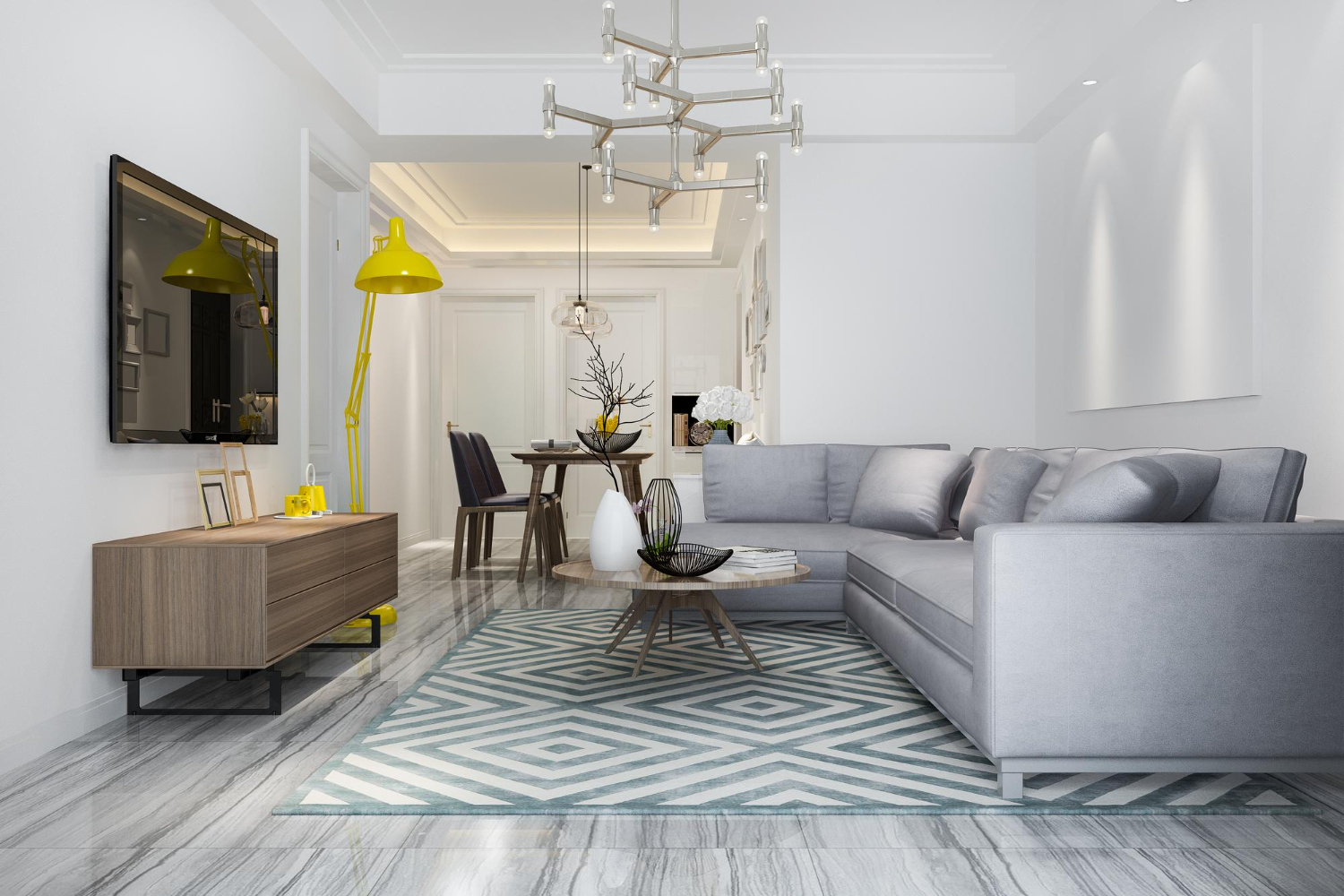
Do you love your older home’s history, but not its floor plan? You’re not alone. Many homeowners cherish the unique character of their house but feel constrained by a maze of small, dark rooms that just don’t fit a modern lifestyle. The great secret of whole house remodeling is that you don’t have to choose between charm and function. It’s entirely possible to preserve the soul of your home while creating the bright, open, and welcoming space you’ve always wanted.
A successful home renovation doesn’t begin with a sledgehammer; it starts with a clear vision. The most stunning transformations—from a light-filled kitchen in a Craftsman bungalow to a seamless indoor-outdoor living area in a mid-century ranch—are born from a thoughtful plan that respects the home’s past. This approach is key to creating a design that feels cohesive and authentic, not just a collection of trendy ideas that will soon feel dated.
This guide offers a roadmap for blending new efficiencies with timeless character, establishing a realistic budget, and turning your vision into a home that perfectly fits the way your family lives today.

The Preservation Playbook: How to Keep Character When Renovating an Old House
Renovating an old house often comes with a nagging fear: will we lose the charm we fell in love with? The key to a successful project is learning how to preserve character by first identifying its irreplaceable soul. Before you plan anything else, walk through your home and photograph its “character-defining features”—the unique parts you couldn’t easily replicate. This could be the intricate fireplace mantel, the sturdy newel post on the staircase, or the wavy glass in an original pantry door. This photo album becomes your “must-save” list, guiding every decision that follows.
Surprisingly, the secret to making these historic details shine isn’t surrounding them with more old things. Instead, successful historic home modernization ideas often rely on contrast. Think of it like putting a beautiful old painting in a simple, modern frame—the clean lines of the frame make the artwork pop. In your home, this could mean setting off original dark wood trim with crisp, white walls or hanging a sleek, modern light fixture that beautifully illuminates an ornate ceiling medallion. The new highlights the old.
So, how do you decide what stays and what goes? It’s a balance between preserving beauty and ensuring modern safety and comfort.
- Keep & Restore:
- Original hardwood floors
- Unique trim, molding, and millwork
- Stained glass or leaded windows
- Update & Replace:
- Old, inefficient single-pane windows
- Outdated and unsafe electrical systems
- Irreparably damaged plaster walls
This balance allows you to respect the home’s past while preparing it for the future. But what happens when preserving character seems to conflict with the desire for a more spacious layout?
Opening Up History: What “Open Concept” Really Means for a Traditional House
The dream of an open-concept floor plan in a traditional house is powerful—more light, better flow, and space to connect with family. But before you grab a sledgehammer, it’s vital to understand that not all walls are created equal. Some are simple dividers, while others, known as load-bearing walls, are part of your home’s skeleton, holding up the weight of the floor above or even the roof. Removing one without professional guidance is like pulling a block from a Jenga tower. A simple clue? If there’s a wall or major beam directly above the one you want to remove, it’s likely structural. This is where consulting a structural engineer is not just a good idea—it’s essential for safety and the integrity of your home.
This doesn’t mean your dream of a more open space is over. Instead of completely erasing walls, consider a “broken-plan” layout. This smart design strategy creates the feeling of openness while keeping the distinct zones that make older homes feel cozy. Imagine replacing a solid wall with a wide, cased opening that frames the view into the next room, or using a large kitchen island as a subtle divider. Even a necessary structural post can be wrapped in beautiful wood, becoming a handsome feature that defines the space, as seen in many inspiring old house gut renovation before and after photos.
Ultimately, achieving a brighter, more connected home is about smart adjustments, not just demolition. By working with your home’s structure, you can blend classic character with modern living. Opening up walls also provides a unique opportunity to address the outdated and inefficient “engine” of plumbing and electrical systems hidden behind them.
Upgrading Your Home’s Engine: The Critical Importance of Electrical and Plumbing
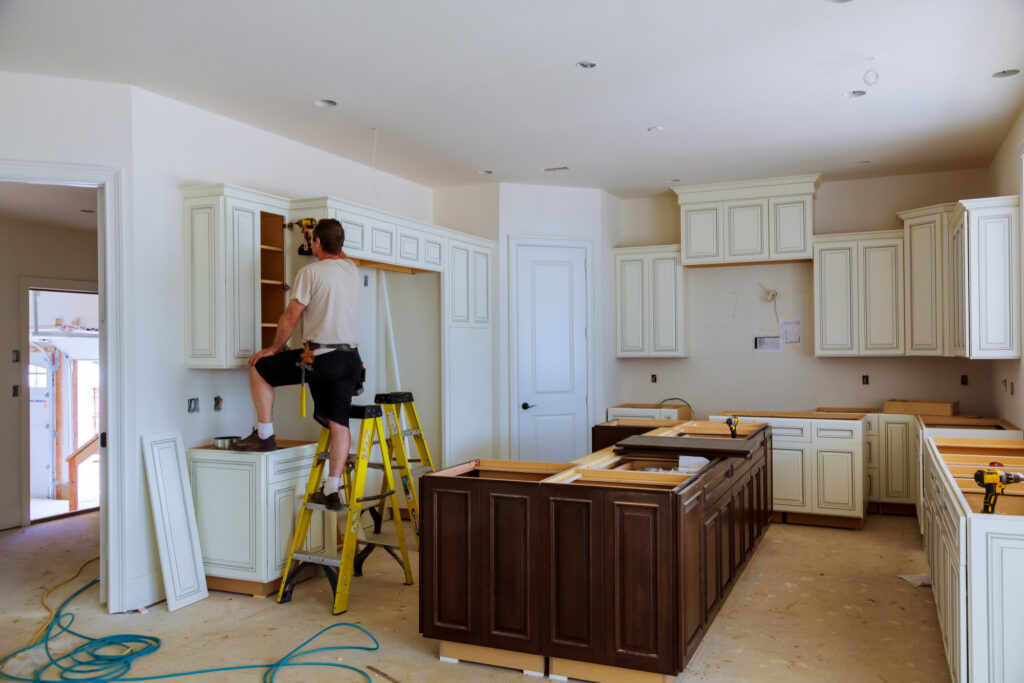
That “engine” we mentioned—your home’s mechanical systems—is where a remodel shifts from cosmetic to critical. Many older homes contain outdated and unsafe components, like knob-and-tube wiring, a common electrical system from the early 20th century. It was never designed for the demands of modern life and can pose a significant fire risk. Likewise, old galvanized steel pipes are often corroded and clogged, leading to low water pressure and potential leaks. For this reason, updating old house electrical and plumbing isn’t just an option during a major renovation; it’s a fundamental safety requirement.
Beyond safety, your vision for a modern home relies entirely on these new systems. A gourmet kitchen with a powerful induction cooktop, double oven, and wine fridge simply cannot run on an electrical panel from the 1950s. That spa-like master bathroom with multiple shower heads needs updated plumbing that can deliver strong, consistent water pressure without straining the rest of the house. This behind-the-scenes work is the essential foundation that makes all the beautiful, visible finishes you’re dreaming of possible.
While you won’t see these new pipes and wires every day, you will absolutely feel their impact. These are some of the most effective energy efficient upgrades for vintage properties, often leading to noticeably lower utility bills and a more comfortable home. More importantly, this investment provides priceless peace of mind—no more flickering lights, tripped breakers, or worrying about a hidden leak. Addressing these challenges of remodeling older properties brings up a crucial question: Where do you even start?
Where Do I Even Start? Your True First Step in a Full Home Renovation
Faced with a massive project, the first impulse for many homeowners is to start calling contractors. But the true first step in a full home renovation is much closer to home: getting crystal clear on your goals. Before anyone can give you a realistic quote, you need to define what success looks like for your family. Are you solving a daily frustration, like a cramped kitchen? Or are you chasing a dream, like a bright, open space for entertaining? Answering this question is the foundation of your entire project.
This is where the most important conversation of your remodel happens: separating your absolute “needs” from your “nice-to-have” wants. Your needs are the non-negotiables that solve a fundamental problem, while your wants are the upgrades that would be great if the budget allows. Drawing this line early is the most powerful tool you have to how to budget for a whole home remodel, giving you a clear compass for making tough decisions down the road.
Grab a piece of paper and make two columns with your family. Being brutally honest here will save you headaches and money later.
| Needs (Must-Haves) | Wants (Nice-to-Haves) | | :— | :— | | Fix the leaking roof | Heated floors in the bathroom | | Add a second bathroom for the kids | A professional-style gas range | | Create a functional kitchen layout | A statement chandelier in the entry |
Once you have this foundational list, you’re no longer just dreaming; you have a starting plan. Now, it’s time to find the right experts to help bring this vision to life.
Assembling Your Dream Team: Architect, Designer, or General Contractor?
With your foundational “needs and wants” list in hand, you’re ready to translate that vision into a buildable plan. This is where professionals come in, and knowing who does what is critical. If your project involves changing the structure of your house—like removing walls, adding a story, or changing the home’s footprint—you’ll likely start with an Architect. They are the licensed experts who create the formal blueprints, ensuring your ambitious ideas are safe and possible. They are essential when you’re facing a big renovate vs tear down old house decision, as they can assess the building’s core integrity and often work with specialists in structural engineering for old homes.
While an architect handles the “bones” of the house, an Interior Designer focuses on its flow, feel, and function. This role goes far beyond picking paint colors; a designer helps with space planning to ensure rooms are laid out logically, selects all the finishes from flooring to light fixtures, and ensures the final result is cohesive and beautiful. If your main goal is a stunning new kitchen or a bathroom that feels like a spa, a designer’s expertise in materials and layout is invaluable.
Once the plans are set, the project moves from paper to reality under the guidance of a General Contractor (GC). Think of the GC as the on-site director of your renovation. They don’t typically swing the hammer themselves; instead, they hire, schedule, and manage all the specialized tradespeople—like plumbers, electricians, and painters—who are known as subcontractors. The GC is your primary point of contact during construction, responsible for keeping the project on schedule and on budget.
Understanding these distinct roles is key to a smooth process. Some firms, known as design-build companies, offer all these services under one roof, which can simplify the process. Regardless of your path, assembling the right team transforms your list of dreams into a tangible, professionally executed reality. Of course, hiring experts brings us to the most pressing question of all: how do you pay for everything?
The Unseen Price Tag: How to Budget for a Whole Home Remodel
Talking about money can be the least exciting part of a remodel, but a realistic budget is the foundation of a successful project. So, how do you even begin to guess the cost? As a starting point, many builders use a rough cost per square foot estimate. This number varies wildly based on your location and desired finishes—from $150 for basic updates to over $300 for high-end work—but getting a local range provides an essential reality check before you fall in love with a plan you can’t afford.
The biggest financial challenge of remodeling older properties, however, isn’t in the planned work; it’s in the surprises. This is why every budget needs a contingency fund—your project’s “just in case” money. This is a separate pool of cash, typically 10-20% of your total project cost, set aside specifically for the unexpected. When you open up the walls of a century home, you might discover issues that must be fixed.
Common hidden costs include:
- Asbestos or lead paint abatement
- Unexpected structural rot or termite damage
- Foundation repairs
- Bringing old plumbing and electrical up to current code
Ultimately, the smartest way to budget for a whole home remodel is to plan for both the seen and the unseen. By combining your contractor’s estimate with a healthy contingency fund, you create a realistic financial picture that protects your project from stress and delays. With this crucial number in mind, you’re ready to move on to the next step.
Your Next Steps: From Inspired Idea to Actionable Plan
You once saw your home’s maze of small rooms as a fixed reality; now, you see it as a canvas. The overwhelming idea of a whole house remodeling project has been replaced by a clear, manageable plan. You are now prepared to take the most important step: the very first one. Instead of getting lost in the final vision, focus on what’s right in front of you.
Your Starting Checklist:
- Create Your ‘Needs vs. Wants’ List. Be honest about what you can’t live without versus what would be nice to have.
- Define Your Budget. Calculate your total and set aside at least 15% as a contingency fund for surprises.
- Research & Interview One of Each: An architect, a designer, and a general contractor to understand their roles and find the right fit.
Every successful home improvement story—whether it’s transforming a compartmentalized bungalow into an open-concept retreat or updating a historic colonial for a modern family—begins exactly where you are now. With this checklist, you are no longer just wishing for a change. You are taking the first deliberate step toward building a home that truly fits your life.
Leave a Reply