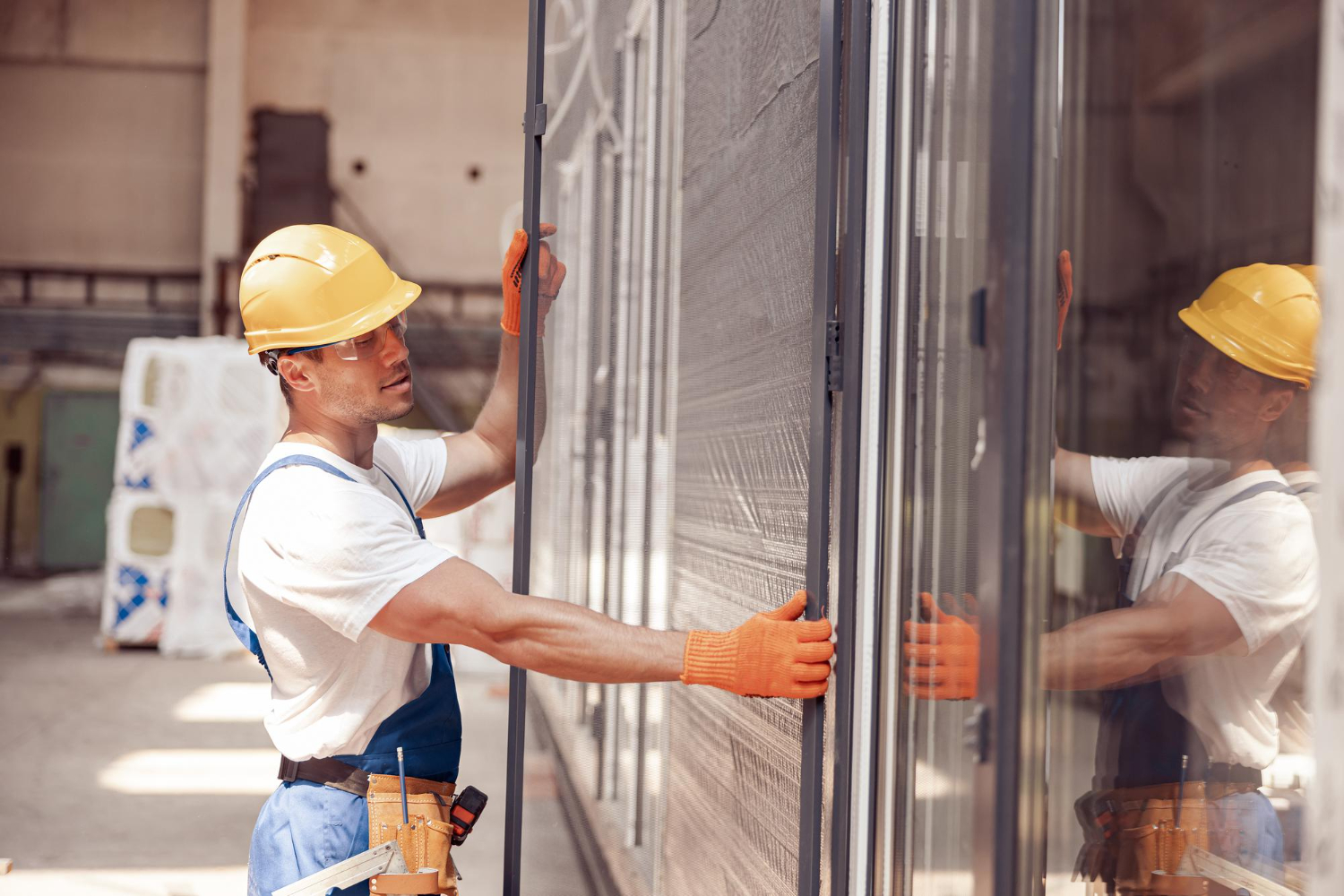
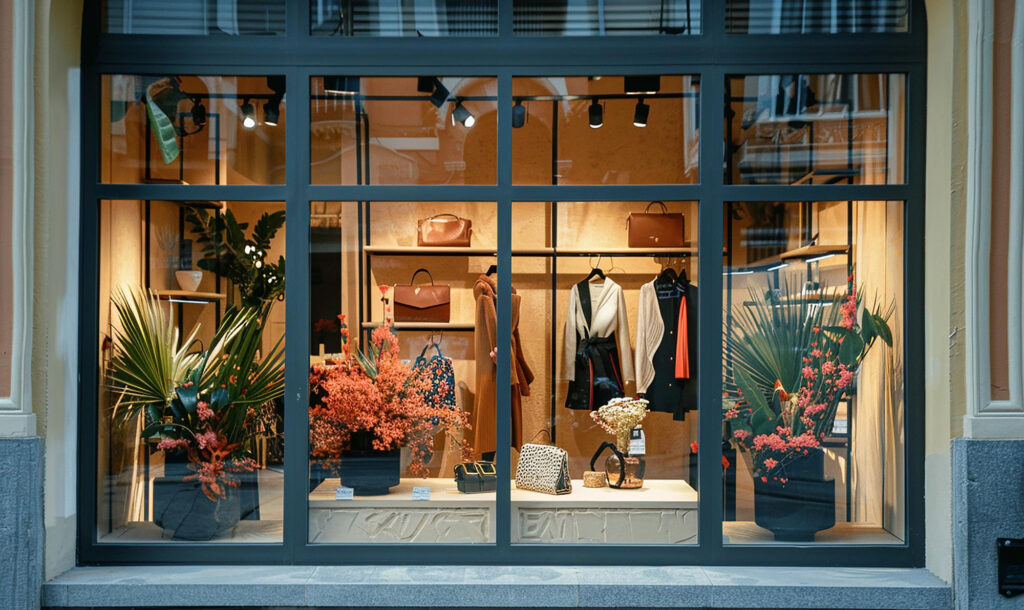
Imagine a storefront that practically pulls customers in off the street, with glass so clear it feels like there’s nothing between your products and the shopper. Your storefront is your most important employee; it works 24/7 to showcase your brand and make a first impression. It’s not just a pane of glass—it’s a powerful marketing tool that is either making you money or costing you money. There is no in-between.
Beyond simply looking good, the right retail storefront glass directly impacts your bottom line. An inviting, modern entrance can increase foot traffic, while high-performance glass keeps your store comfortable year-round, leading to lower energy bills. Furthermore, choosing the right glass provides invaluable peace of mind, protecting your merchandise and your business from potential security threats. It’s one of the smartest investments you can make in your shop’s success.
Fortunately, making an informed choice is simple by focusing on three key areas: appearance, security, and efficiency. This guide clarifies the process of choosing the right glass and walks you through the steps to a successful commercial glass installation, ensuring your storefront works as hard as you do.
What Are My Main Glass Options? A Simple Guide to Tempered, Laminated, and Insulated Glass
Choosing the right glass for your storefront is about more than just looks; it’s a critical decision for safety, security, and your bottom line. Unlike the basic glass in a picture frame, modern commercial options are engineered for performance. A smart investment starts with understanding the three main types.
For doors and other high-traffic areas, tempered glass is the go-to for safety. It’s heat-treated to be about four times stronger than standard glass, but its real value is in how it breaks. If struck with enough force, it shatters into small, dull-edged pebbles instead of dangerous shards, just like a car’s side window. This feature drastically reduces the risk of injury, which is why it’s often required by building codes for entryways.
When security is the top priority, laminated glass is your best defense. Think of it as a glass sandwich: a tough, clear plastic layer is bonded between two sheets of glass—the same technology used in car windshields. If struck, the glass cracks but holds together in the frame. This prevents quick entry, protecting your store from smash-and-grab attempts and acting as a powerful deterrent.
Finally, your glass choice directly impacts your energy bills. Insulated glass, often called double-pane glass, works like a high-quality thermos. Two panes are separated by a sealed air gap that acts as a buffer against outside temperatures. This simple design keeps your store warmer in winter and cooler in summer, leading to a more comfortable space for shoppers and lower energy costs year-round. While this structure is key for insulation, specialized coatings can boost that efficiency even further.
How to Boost Sales and Protect Products with Glass Coatings
Beyond the core structure of your glass, specialized coatings act as powerful upgrades that can directly impact your bottom line. The most common is a Low-E (Low-Emissivity) coating, an invisible metallic layer that dramatically improves insulation. Think of it as transparent sunscreen for your storefront. It blocks heat from the sun in the summer and keeps your store’s warmth from escaping in the winter, creating some of the most energy efficient commercial windows available. Just as importantly, it filters out damaging UV rays that cause your valuable merchandise to fade over time.
Just as important as saving money is making it. For this, anti-reflective glass offers a stunning advantage. It’s engineered to minimize glare and reflection, making the glass pane seem to disappear. The benefits of anti-reflective display glass are most obvious for businesses with intricate displays, as it provides a crystal-clear, uninterrupted view of your products. This makes it the best glass for jewelry display cases, high-end boutiques, and art galleries where every detail matters to the customer.
These coatings can be added to most glass types, including tempered and laminated options, working together to create a high-performance solution.
Consider a coating if:
- Your store gets a lot of direct sun.
- You sell high-end display items (like jewelry or apparel).
- Your energy bills feel too high.
While coatings enhance performance, the physical strength of your storefront still depends on its core construction.
Is Your Storefront Secure? A Realistic Look at Shatterproof and Security Glass
Protecting your business after you’ve locked up for the night is a primary concern for any retailer. While tempered glass shatters safely, it offers little resistance to a determined intruder. This is where security glass comes in. When you hear the term “shatterproof,” it typically refers to glass that won’t allow immediate entry when broken. For most retail applications, the industry standard for this is laminated glass. Its inner vinyl layer acts like a web, holding the broken panes in place and preventing the quick smash-and-grab entry that is a constant threat.
A common question is how this compares to security film. A security film is a tough, transparent sheet applied to your existing glass. It’s an effective upgrade that holds shattered glass together, making it much harder for someone to break through and significantly delaying entry. However, for a new installation, laminated glass provides more integrated strength. Since its protective layer is bonded inside the glass structure itself, it offers a higher level of foundational security than a surface film can.
In situations demanding the highest level of protection, there are even stronger shatterproof glass options for business, like polycarbonate. This isn’t glass at all, but a plastic glazing material that is virtually unbreakable—often used for high-value merchandise like jewelry. Deciding on the right level of protection by balancing cost and risk is a crucial first step in any retail storefront glass replacement project.
The Storefront Installation Process Step-by-Step: What to Expect
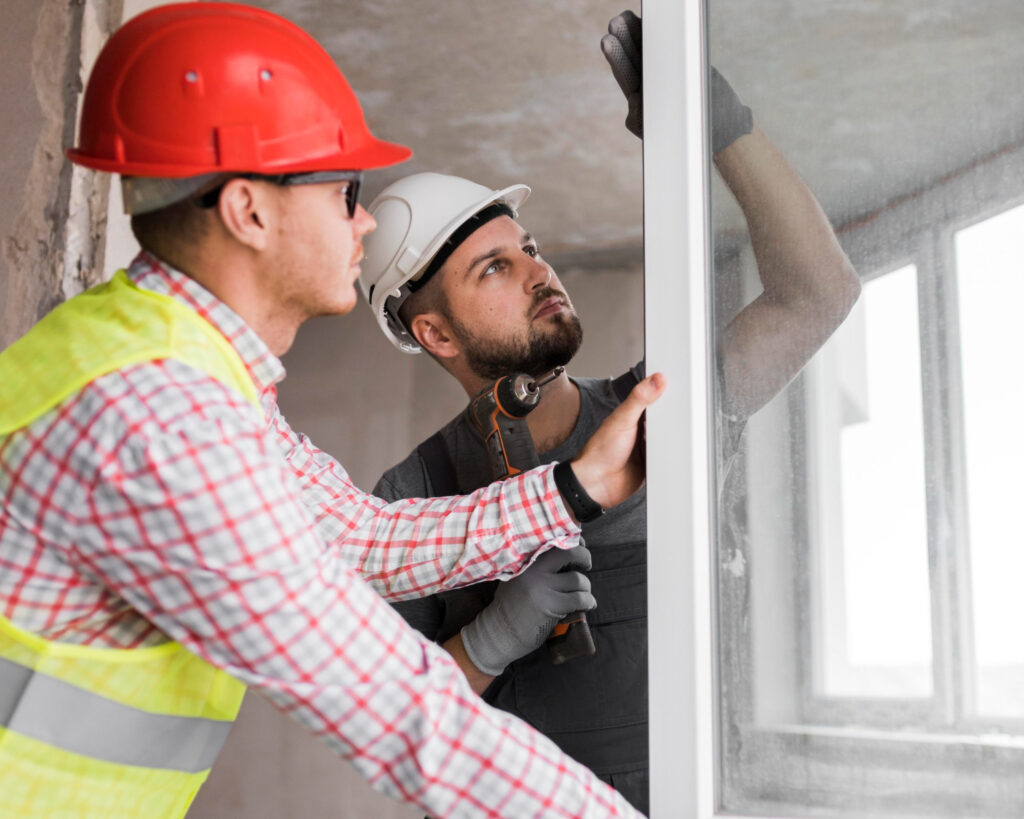
Once you’ve chosen the right type of glass for your shop, the installation process is more straightforward than you might imagine, especially when handled by qualified commercial glaziers. It’s a well-defined project designed to be as efficient as possible, ensuring your business is secure and looking its best with minimal downtime.
A typical project has four clear stages, with the majority of the work happening off-site before the team arrives.
- Consultation & Measurement: A specialist visits your store to discuss your needs, confirm glass choices, and take precise measurements of the frames.
- Glass Fabrication & Delivery: Your glass isn’t sitting on a shelf. It’s custom-built to your exact specifications. This fabrication stage is the longest part of the process.
- Site Preparation & Removal: On installation day, the team prepares the area and carefully removes your old glass and frames.
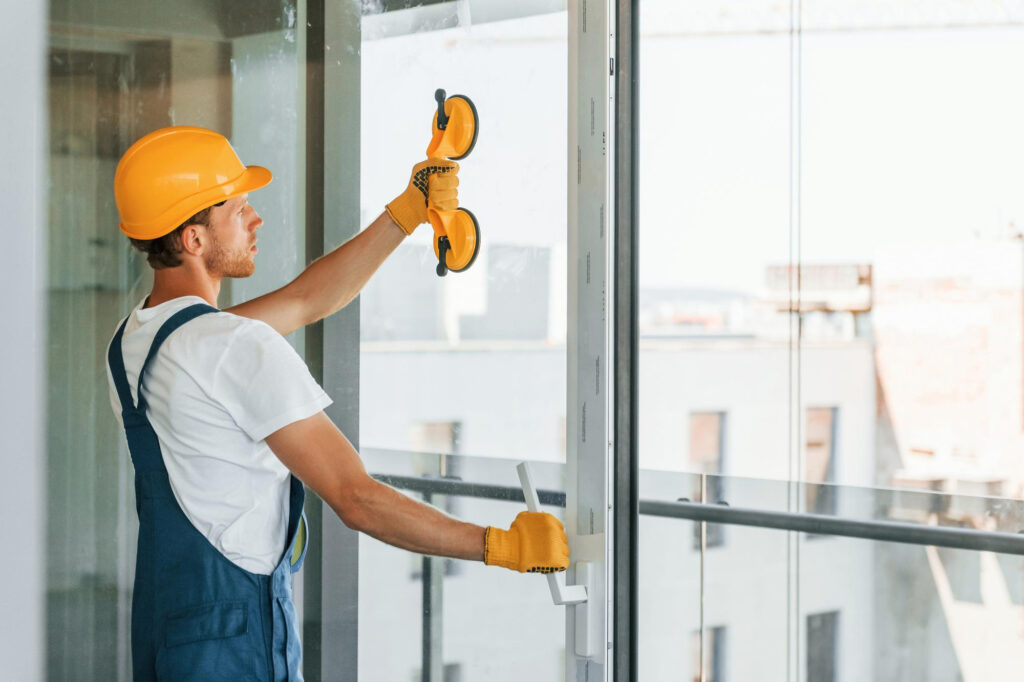
- New Glass & Frame Installation: The new, custom-made glass panels and framing system are professionally installed, sealed, and cleaned.
Professional installers understand that you can’t afford to close your doors for long. That’s why the entire process is planned to minimize business disruption. Whenever possible, installation is scheduled during off-peak hours or even overnight. The team works efficiently to make sure your storefront is secured, weathertight, and ready for business by the time you open.
Decoding Your Quote: What Really Determines the Cost of New Shop Windows?
When you receive an estimate for a retail storefront glass replacement, the final price reflects more than just the size of the window. The total cost is a combination of specific materials and the complexity of the job. A transparent quote from a professional glazier will typically break down these five key drivers:
- Glass Type: High-security laminated glass costs more than standard tempered glass.
- Glass Size & Thickness: Larger and thicker panes require more material and specialized handling.
- Special Coatings: Upgrades like energy-efficient Low-E coatings add to the material cost.
- The Frame System: Repairing an existing frame is less expensive than installing a completely new one.
- Labor & Accessibility: A difficult-to-reach second-story window will require more labor than a simple ground-floor panel.
Many owners are surprised to learn that the metal structure holding the glass—the storefront framing system—can be a significant budget item. If your existing aluminum frame is bent, corroded, or you’re changing the configuration of your entrance, a full frame replacement may be required. This process is more involved than a simple glass swap and can sometimes be a larger portion of the investment than the glass itself.
Beyond the total on the estimate, look for a quote that itemizes these components. A professional proposal should clearly separate the cost of the glass, the framing system, and labor. This transparency is the sign of a trustworthy partner, as it allows you to compare proposals accurately and ensures there are no hidden fees.
Emergency Glass Break? Your First 3 Steps
A shattered storefront from an accident or vandalism is a stressful and dangerous situation. Your absolute first priority is safety. Immediately block off the area to keep staff and customers away from the hazard. Resist the urge to handle large, sharp shards yourself—it’s a task best left to professionals equipped with the right safety gear.
Your next call should be to a company offering 24/7 emergency storefront board-up services. A technician will arrive quickly to safely clear the dangerous debris and secure the opening with sturdy plywood. This crucial step protects your shop from the weather and prevents unauthorized entry while your custom replacement glass is measured and fabricated. Professional glass repair services are designed to make your property safe first and foremost.
With the immediate crisis managed, the path forward is clear. Follow these three steps to get your business back to normal:
- Secure the Site: Keep everyone at a safe distance.
- Call for Emergency Service: Get a professional glazier on the way to board up the opening.
- Contact Your Insurance: Start the claims process once the property is secure.
The glazier will then manage the measurements and ordering for the permanent commercial glass installation, turning an urgent problem into a planned project.
Your Checklist for a Flawless Commercial Glass Project
You now see your storefront glass not as a simple pane, but as a strategic business tool for enhancing security, lowering energy bills, and drawing customers in. You are equipped to make a smart investment in your shop’s future, from a basic glass door installation to a full storefront renovation.
To turn this knowledge into action, you need to find a professional who understands your vision. Taking control of the conversation starts with asking the right questions. When vetting a potential partner, use this checklist to ensure you have a complete picture of their proposal and qualifications:
- What glass type do you recommend for my top priority (e.g., security, energy savings)?
- Is your quote all-inclusive, covering removal, installation, and disposal?
- What is the warranty on both the glass and the installation workmanship?
- How long will the installation take, and how will you minimize disruption to my business?
- Can you provide current proof of your insurance and licensing?
Always get at least two quotes, but remember that the lowest price isn’t always the best value. The right partner is the one whose answers to these questions give you confidence. They will be focused on choosing the right glass for a shop front that meets your specific business needs, not just selling you the most expensive option. You are now ready to choose a solution that makes your storefront work as hard as you do.
Leave a Reply